
|
|
VOLUME I · WEEK 1 · ISSUE #001
|
|
| |
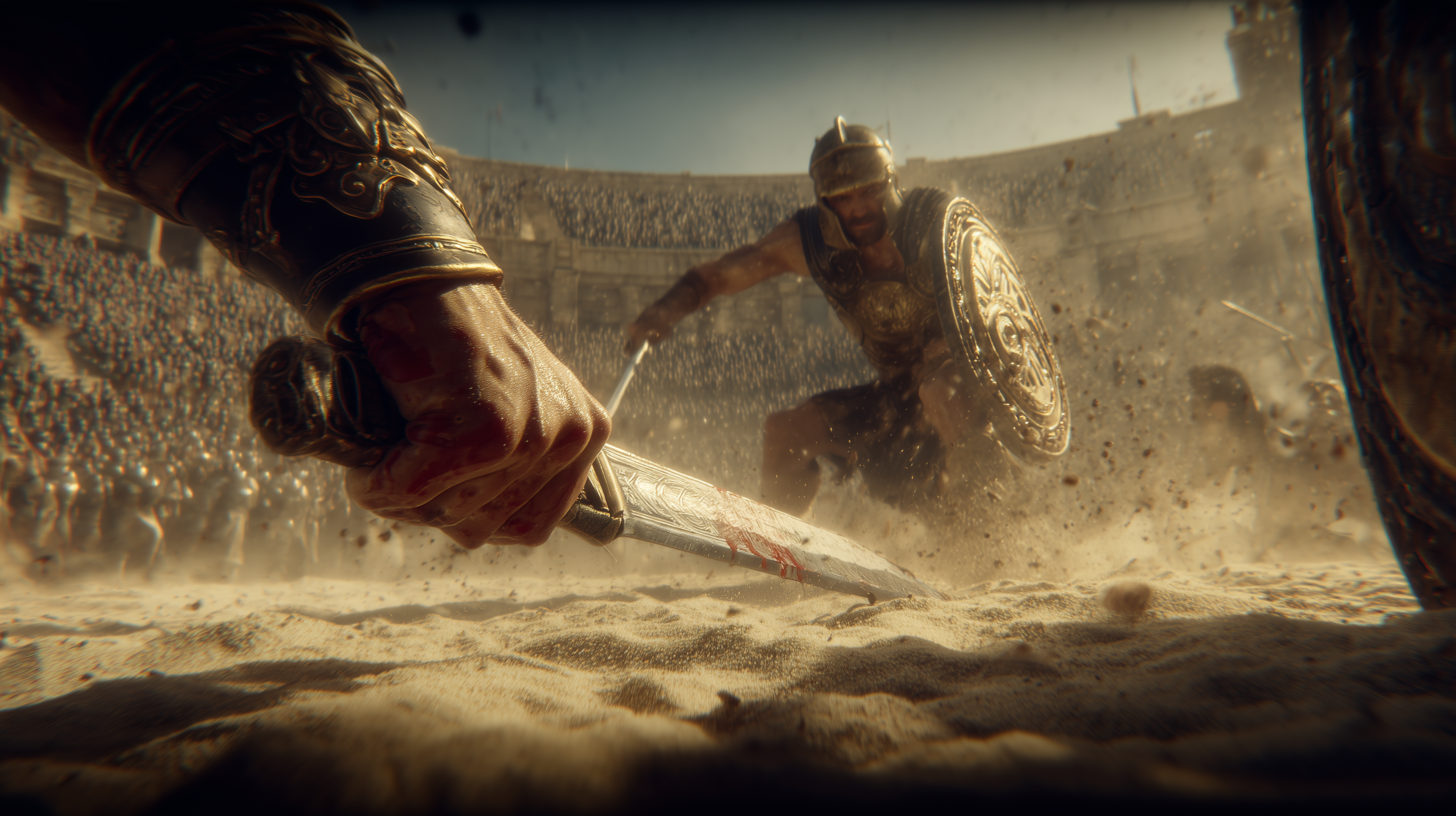
The last thing a gladiator saw before the sand
|
|
March 2026 · 4 min read
|
|
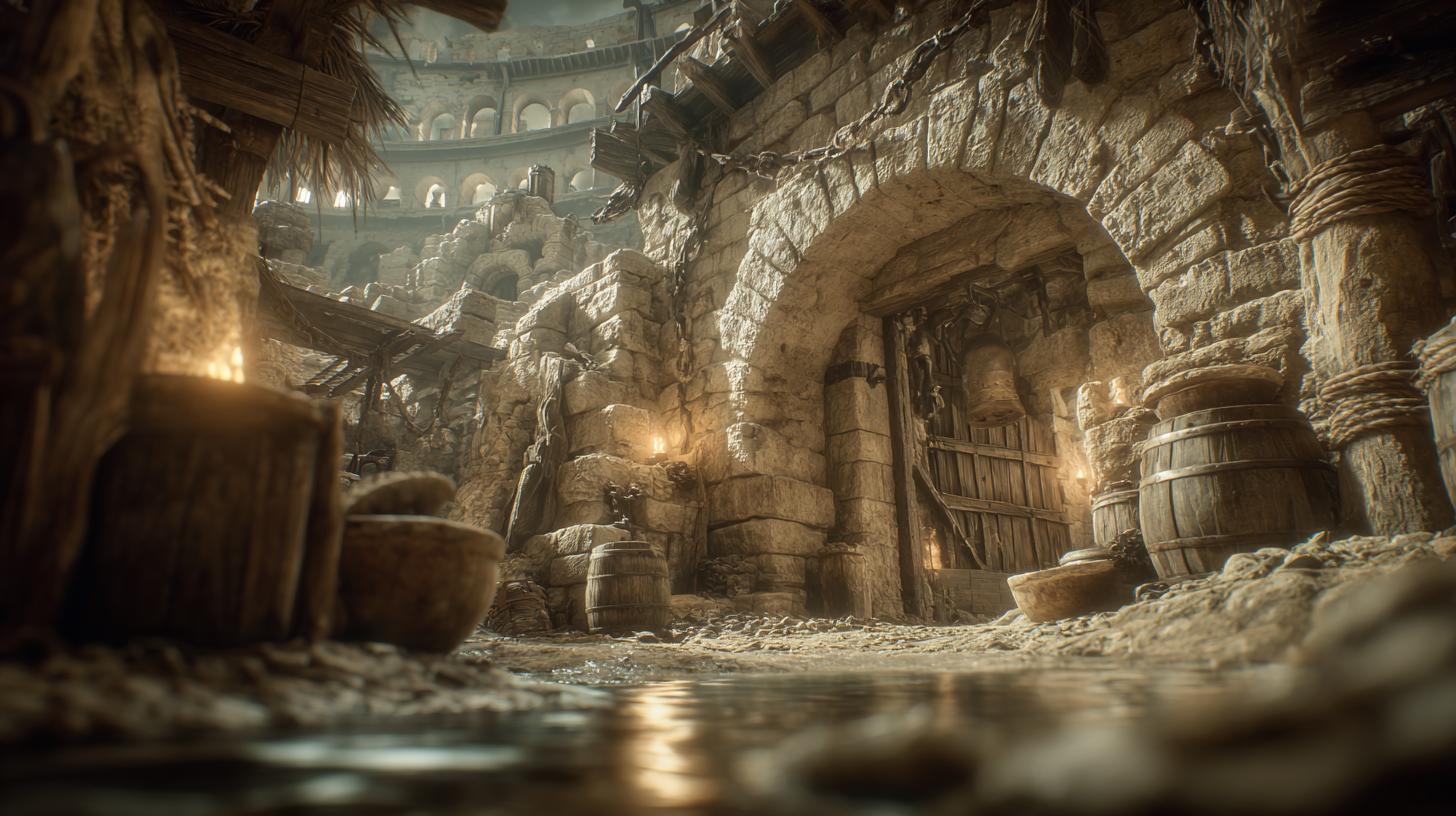
Beneath the arena floor, the air smelled like iron and animal dung.
|
|
The hypogeum, a maze of tunnels, cages, and mechanical lifts running underneath the Colosseum, held gladiators, prisoners, and wild animals in near-darkness before the trapdoors opened. Dozens of elevator platforms, powered by ropes and pulleys, could raise men and beasts directly into the arena above. The engineering was precise. The fear was not.
|
|
In 80 AD, Emperor Titus declared one hundred days of games to inaugurate the Flavian Amphitheatre. Four stories of marble, travertine, and statues. A retractable canvas awning, rigged by sailors from the naval base at Misenum, that shaded the spectators. Fifty thousand seats. Every one of them full.
|
|
A gladiator standing on that wooden platform, waiting for the machinery to lift him into the light, would have heard the crowd before he saw it. Fifty thousand pairs of feet stamping on stone. From below, it sounded like the building itself was breathing.
|
|
|
The hypogeum. Beneath the sand.
|
|
Then the light.
|
|
The arena floor was white sand, raked clean between bouts, stained underneath where they couldn't rake deep enough. The oval stretched roughly 280 feet long. The Colosseum rose in every direction, and in the emperor's box, Titus himself watched.
|
|
Here's what the movies get wrong: most gladiators didn't die. They were expensive. Trained, fed, housed, treated by doctors. A skilled gladiator was an investment. More athlete than prisoner. Scholars estimate roughly one in five fights ended in death. The survivors became celebrities. Their names were scratched into walls across the empire. Children played with clay figurines of their favorites.
|
|
But one in five is still one in five.
|
|
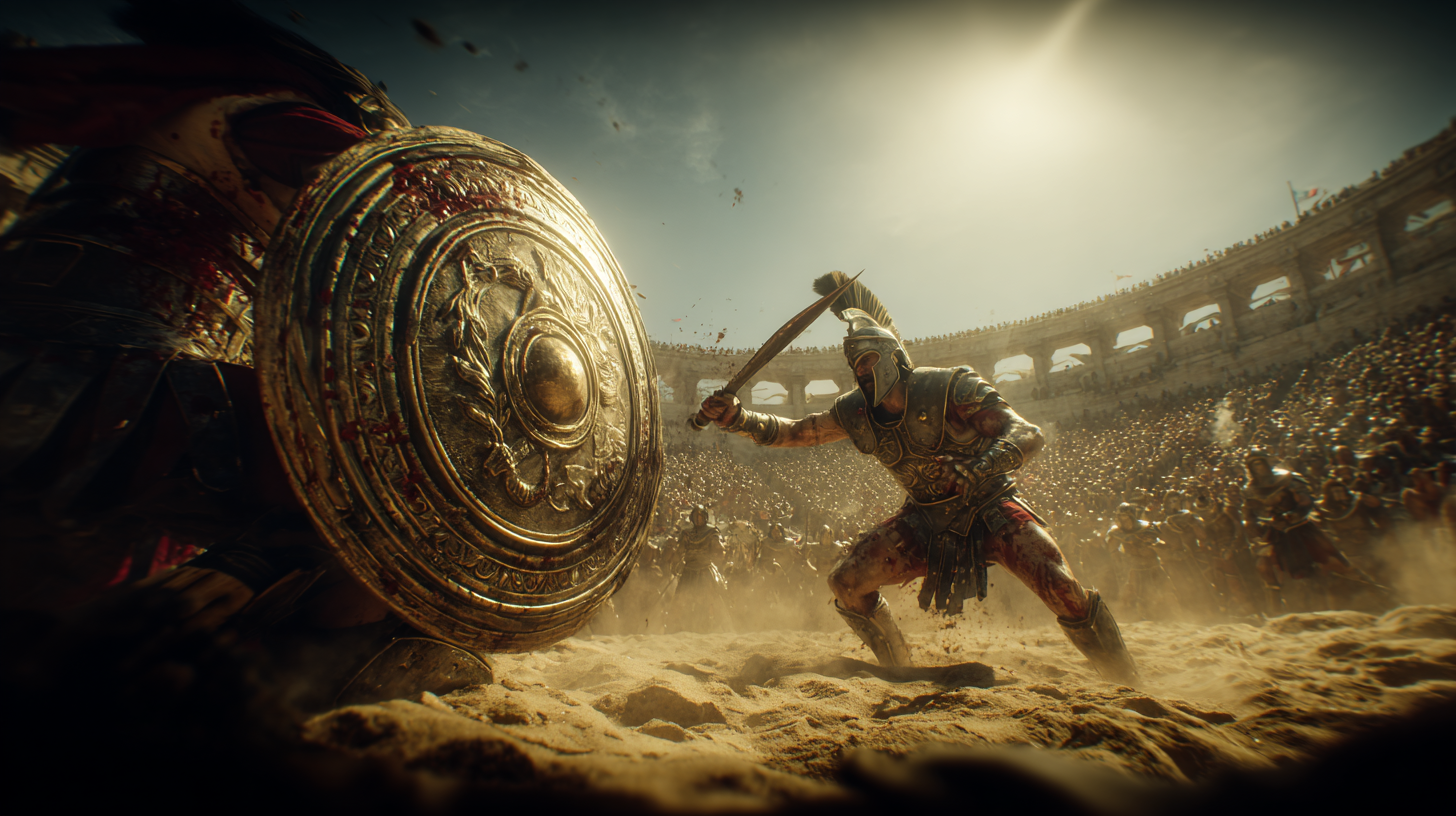
A murmillo, heavy shield, straight gladius, fish-crested helmet, fought differently than a thraex, who carried a curved sica blade and lighter armor. These matchups were deliberate, designed for contrast. Speed against power. The crowd understood the dynamics the way modern fans understand a striker against a goalkeeper.
|
|
|
Speed against power. The crowd knew the odds.
|
| |
|
When a gladiator fell and raised a finger, the appeal for mercy went to the crowd first, the editor second. On inaugural day, that was Titus. He read fifty thousand faces and turned his thumb.
|
|
The man lived. That day.
|
|
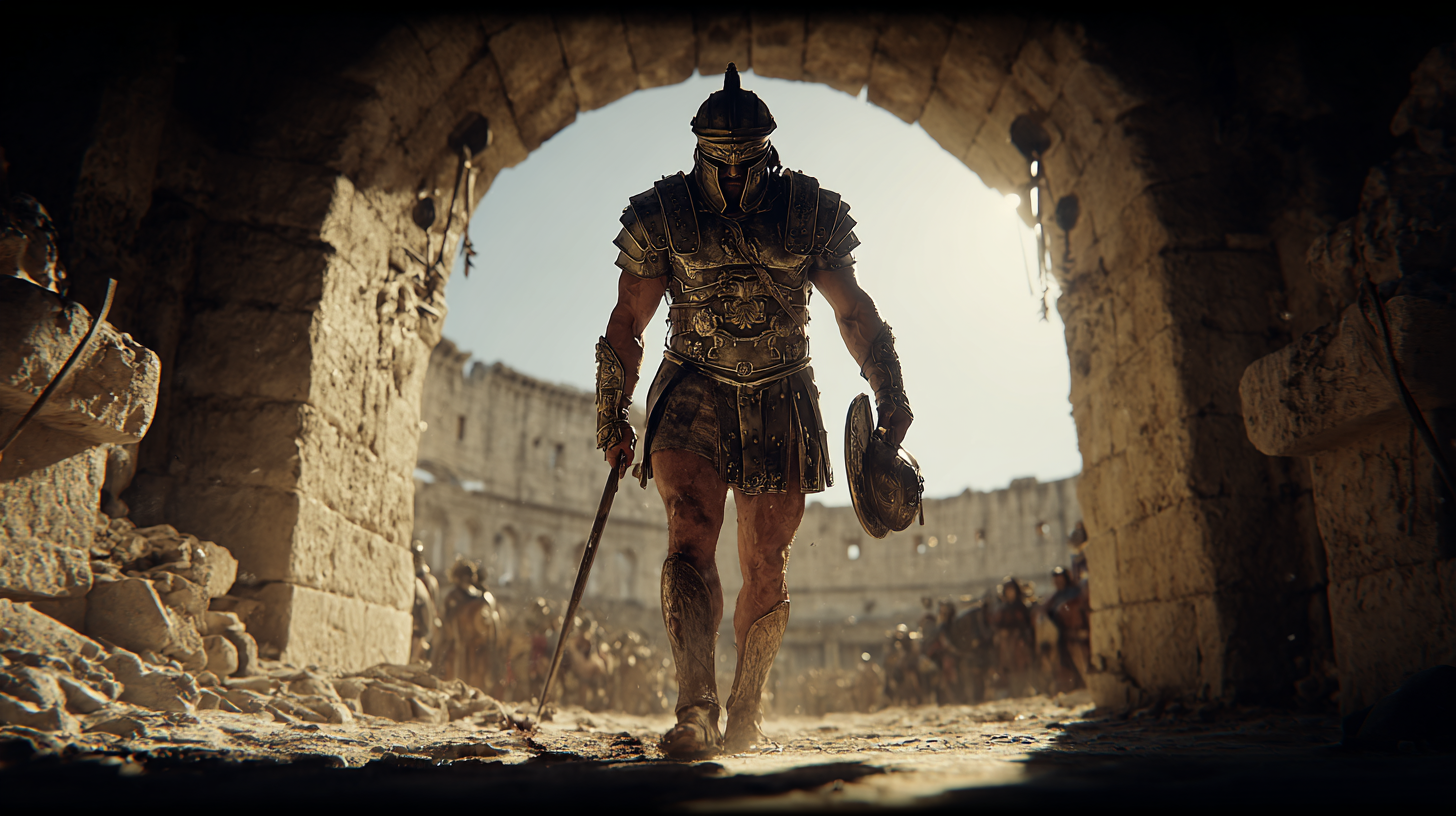
The survivor walked out through the Porta Sanavivaria, the Gate of Life. The Colosseum had a second exit, the Porta Libitinensis, reserved for carrying out the dead. Two doors. Same building. The only difference was the last thirty seconds of your afternoon.
|
|
|
Porta Sanavivaria. The Gate of Life.
|
| |
| |
By the time the hundred-day inaugural games ended, ancient sources claim nine thousand animals had been killed in the arena. The Colosseum would host spectacles for another four centuries. It still stands.
|
|
|
Somewhere in Rome, a gladiator's name is scratched into a stone wall.
|
|
Two thousand years of weather haven't erased it.
|
|
No one alive can read it.
|
| |
|
|
| |

|
The Rabbit Hole
|
|
| |
The Colosseum was built in ten years by an estimated 60,000 to 100,000 laborers. Rome's previous entertainment venue, Nero's private lake, was drained to make room for it. The emperor who ordered its construction, Vespasian, funded it with spoils looted from the Temple of Jerusalem in 70 AD.
The largest entertainment venue in human history was built with the treasury of a destroyed civilization.
|
|
| |
|
|
| |
|
Go Deeper
|
| → |
Read
The Colosseum
by Keith Hopkins & Mary Beard. The definitive book on the building and everything that happened inside it.
|
|
| → |
Read
The Roman Games
by Alison Futrell. Gladiator culture, training, and the economics behind the spectacle.
|
|
| → |
Watch
Gladiators: Back from the Dead
Forensic analysis of real gladiator skeletons found in York, England.
|
|
| → |
Visit
The Colosseum Underground Tour, Rome
Walk through the actual hypogeum tunnels where gladiators waited.
|
|
| |
|
|
| |
|
What period of history fascinates you most?
Reply and tell me. I read every one.
|
| |
| |
|
|